Understanding the Basics of Gambling A Guide for Beginners
What is Gambling?
Gambling is the act of wagering money or valuables on an event with an uncertain outcome, primarily driven by the desire to win additional money or material goods. This activity can take many forms, from betting on sports events to playing games of chance like poker or slots. The fundamental premise of gambling is risk versus reward, which appeals to individuals seeking excitement or the possibility of financial gain. For those interested in trying it out, tooniebetcasino.com provides a variety of options to explore.
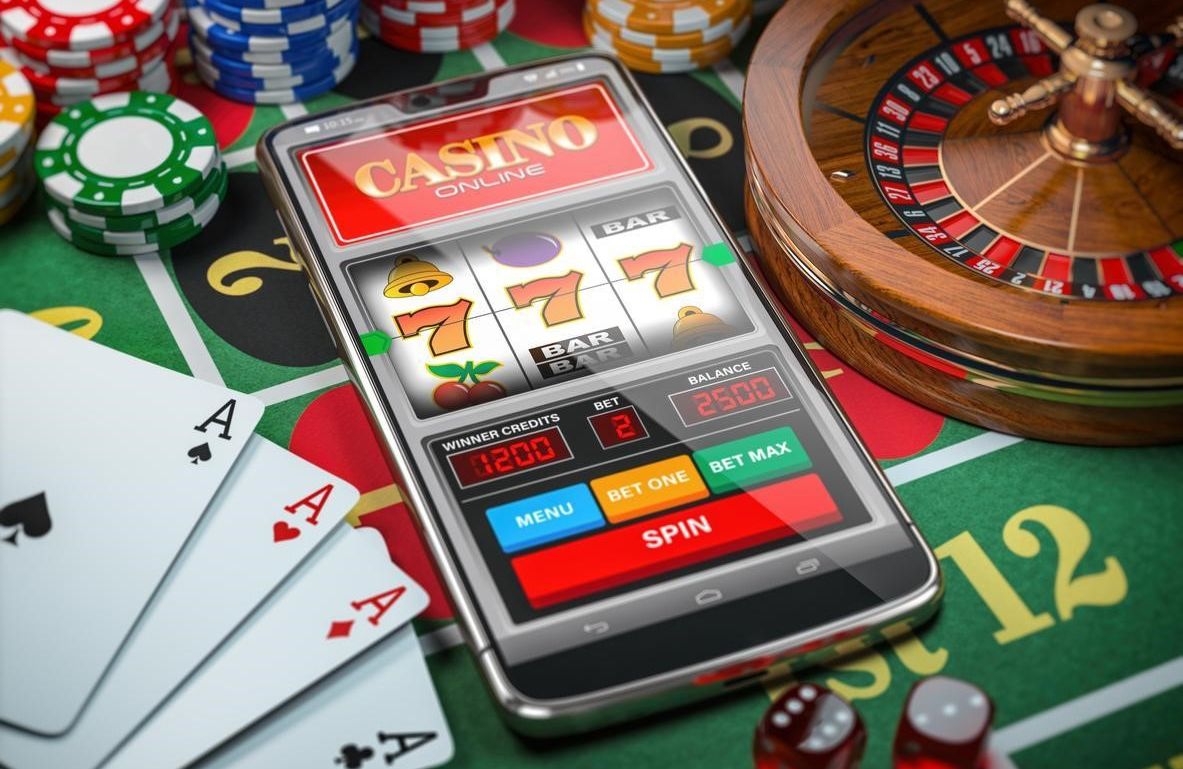
While some people view gambling as a form of entertainment, it’s crucial to understand its risks. The allure of winning can sometimes lead to problematic behaviors, making it essential for beginners to approach gambling responsibly. Familiarizing oneself with the rules and odds of different games is a vital first step toward having a positive experience.
Types of Gambling Games
There are various types of gambling games, each offering a unique experience. Casino games such as slots, blackjack, and roulette are popular choices among players. Each game has its own set of rules and strategies, making it important for beginners to learn the specifics of the games they are interested in. Slot machines, for instance, are purely chance-based, while games like poker involve a combination of skill and luck.
In addition to casino games, there are also sports betting and online gambling platforms, which have grown in popularity in recent years. Understanding the different types of games can help beginners choose what appeals to them most and align their strategies with their preferences and risk tolerance.
Understanding Odds and Payouts
To navigate the world of gambling effectively, beginners must grasp the concept of odds and payouts. Odds determine the likelihood of a specific outcome occurring and affect the payout if that outcome is successful. For example, in a game of roulette, the odds of landing on a specific number are 1 in 37, which influences the payout ratio for that bet.
Knowing how to calculate and interpret odds can significantly impact your gambling experience. A solid understanding of this concept allows players to make informed decisions about where to place their bets and how much to wager. It also helps in setting realistic expectations regarding potential wins and losses.
Responsible Gambling Practices
Responsible gambling is essential for ensuring a safe and enjoyable experience. Beginners should set clear limits on the amount of time and money they are willing to spend on gambling activities. This can help mitigate the risks associated with gambling addiction and financial loss. Establishing a budget before starting to play is a wise approach to maintaining control.
Additionally, it is beneficial for beginners to be aware of the signs of gambling addiction and to know when to seek help. Many resources are available to support individuals who may be struggling with gambling-related issues. By fostering a responsible mindset, players can enjoy gambling as a form of entertainment rather than a source of stress or financial strain.

Discovering Online Gambling Platforms
As the digital age continues to evolve, online gambling platforms have become increasingly popular. Many sites offer a wide range of games and promotions, making it easier for beginners to get started. For instance, some platforms provide generous welcome bonuses and free spins, allowing new players to explore different games without significant financial commitment.
When choosing an online gambling site, factors such as user experience, game variety, and security should be considered. Ensuring the platform is licensed and regulated can help build confidence in the safety of your personal and financial information. Engaging with demo play options also allows beginners to practice their skills before wagering real money, enhancing their overall experience.